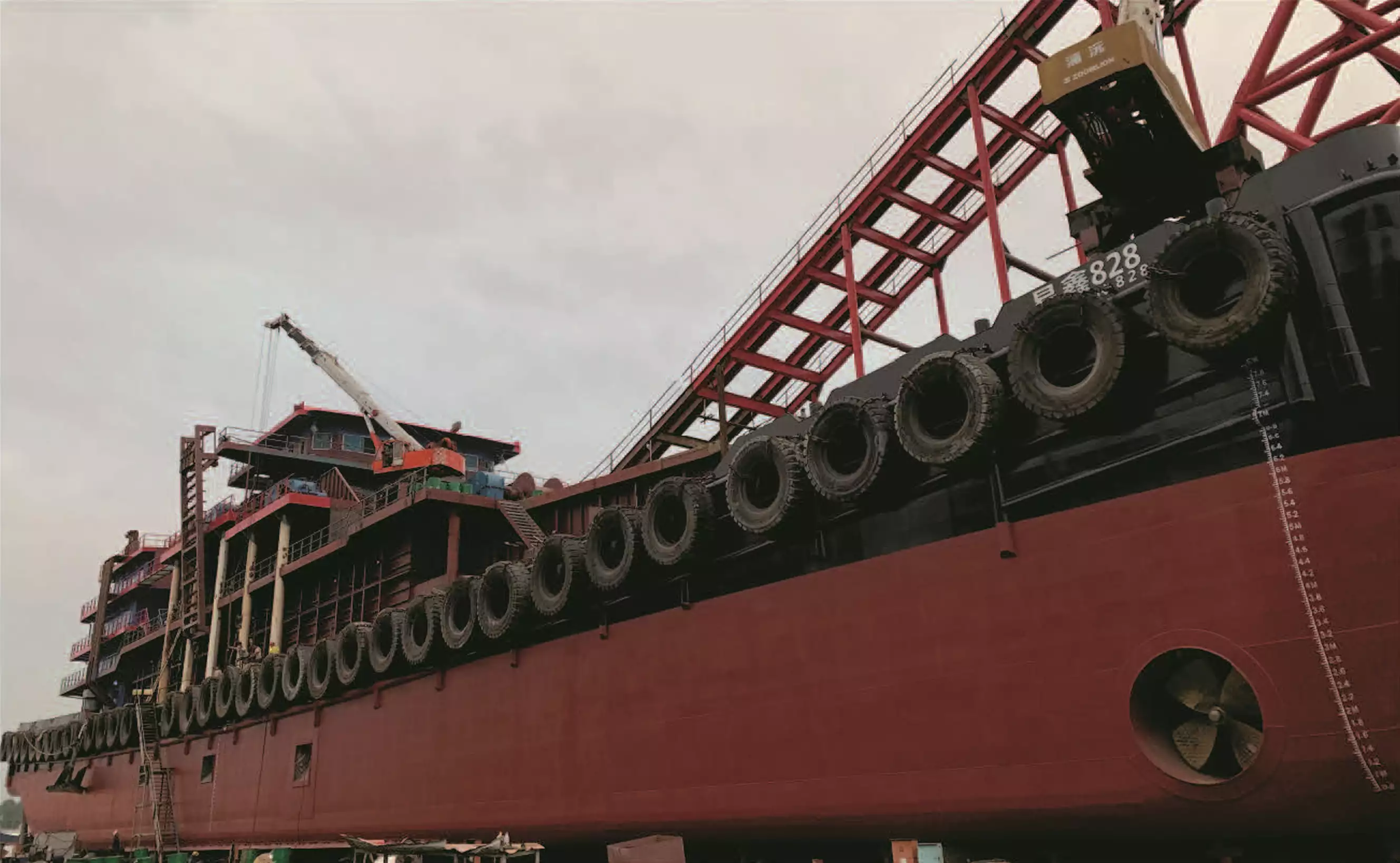
The propeller design of engineering ships must meet the requirements of complex operating environments and special functional needs, and its design process entails the comprehensive consideration of multiple factors—including maneuverability, positioning capability, and propulsion efficiency. This paper systematically analyzes the key design parameters and matching methods of propellers for various types of engineering ships, with a particular focus on exploring the design essentials of special propulsion devices such as azimuth thrusters and ducted propellers. Research indicates that customized propeller designs tailored to the operational characteristics of different engineering vessels can enhance working efficiency by 20–30% while reducing fuel consumption by 15–20%. Furthermore, the paper provides a detailed exposition of the complete design process for engineering vessel propellers, from requirements analysis to experimental validation, and outlines future development trends toward intelligence and sustainability.
1.Introduction
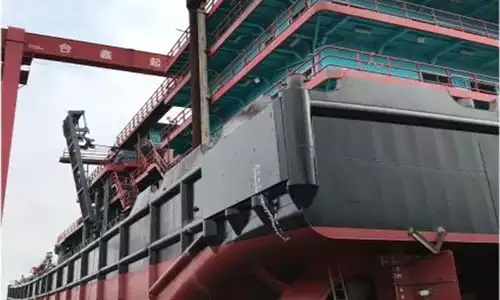
As critical equipment for offshore engineering operations, engineering ships encompass various types such as dredgers, crane ships, and pipe-laying ships. The design of their propulsion systems directly impacts operational efficiency and safety. Compared with conventional merchant ships, the propeller design of engineering ships faces four specific requirements: precise positioning capability, excellent maneuverability, adaptability to complex environments, and multi-functional operational needs. Statistics show that optimally designed propulsion systems for engineering ships can reduce positioning time by 30% and improve operational accuracy by 25%. This paper will conduct an in-depth analysis of the design characteristics, key technologies, and development trends of engineering ship propellers.
2.Design Features of Engineering Vessel Propellers
2.1 Main Operational Modes
- Positioning Operation:
- Dynamic Positioning (DP) Mode
- Precise Position Keeping
- Multi-Propulsor Coordination
- Maneuvering Operation:
- Low-Speed Precise Maneuvering
- Multi-Directional Propulsion
- Rapid Response
- Transit Navigation:
- Economic Speed Cruising
- Long-Distance Endurance
- Sea Condition Adaptability
2.2 Design Points
- Maneuverability Flexibility
- Positioning Accuracy
- Environmental Adaptability
- System Reliability
3.Analysis of Key Design Parameters
3.1 Selection of Propulsor Type
- Azimuth Thruster:
- 360° Steering Capability
- Suitable for DP Positioning
- Typical Power: 1–10 MW
- Ducted Propeller:
- Thrust Enhancement: 30–40%
- Excellent Cavitation Resistance
- Suitable for Towing Operations
- Conventional Propeller:
- High Economy
- Easy Maintenance
- Suitable for Auxiliary Propulsion
3.4 Material Selection
Special Requirements:
- Wear Resistance:
- High-Chromium Steel for Dredgers
- Surface Hardening Treatment
- Impact Resistance:
- High-Strength Stainless Steel
- Composite Material Cladding
- Corrosion Resistance:
- Super Duplex Steel
- Nickel-Based Alloys
3.2 Diameter Design
Typical Parameter Range:
- Small-Scale Engineering Ships: 1.5–2.5 m
- Medium-Scale Engineering Ships: 2.5–3.5 m
- Large-Scale Engineering Ships: 3.5–5.0 m
Design Points:
- Consider the Limitation of Duct Inner Diameter
- Balance Thrust and Efficiency
- Adapt to Shallow-Water Operations
3.5 Number of Blades Configuration
Selection Strategies:
- 4-Blade:
- Efficiency Priority
- Low Vibration Requirement
- 5- Blade:
- Balanced Performance
- Mainstream Selection
- 6- Blade:
- Vibration Control
- Special Operating Conditions
3.3 Blade Area Ratio (BAR) Optimization
BAR Selection Range:
- Azimuth Thruster: 0.50–0.65
- Ducted Propeller: 0.65–0.80
- Conventional Propeller: 0.55–0.70
4. Ship-Engine-Propeller Matching Technology
4.1 Dynamic Positioning (DP) System
Key Technologies:
- Multi-Propulsor Coordination
- Thrust Allocation Algorithm
- Dynamic Position Keeping
- Failure Mode Response
4.2 Maneuverability Design
- Azimuth Thruster:
- Vector Thrust Control
- Rapid Response Design
- Redundant Configuration
- Thruster:
- Bow-Stern Coordination
- Power Matching
- Joint Maneuvering
4.3 Special Environment Adaptation
- Ice-Class Strengthening:
- Blade Edge Strengthening
- Special Materials
- Anti-Icing Devices
- Shallow-Water Operations:
- Duct Protection
- Sediment Prevention Design
- Grounding Prevention Measures
5. Design Process Optimization
5.1 Customized Design Process
- Operational Requirements Analysis:
- Survey of operational modes
- Assessment of environmental conditions
- Confirmation of special requirements
- Confirmation of special requirements:
- Propulsion Scheme Comparison and Selection
- Preliminary Parameter Determination
- CFDPre-Analysis
- Detailed Design Phase:
- 3D Modeling
- Strength Verification
- Process Design
5.2 Advanced Design Methods
- Multi-Body Coupling Analysis:
- Hull-Propulsor Interaction
- Flow Field Interference Evaluation
- Maneuverability Prediction
- Virtual Reality Validation:
- Operation Simulation
- Maintainability Assessment
- Personnel Training
6. Typical Cases
6.1 Large Cutter Suction Dredger
Project Features:
- Overall Length: 140 m
- Total Power: 20 MW
- Operating Water Depth: 30 m
Propulsion Scheme:
- Main Propulsion: 2 × 5 MW Azimuth Thrusters
- Lateral Thrusters: 3 × 2.5 MW Ducted Propellers
- Special Designs: Wear-Resistant Coatings, Sediment-Resistant Seals
6.2 Deepwater Pipe-Laying Vessel
Innovative Designs:
- Dynamic Positioning (DP) System:
- 8 Propulsors
- DP3 Class Certification
- Redundant DesignDP3
- Propulsor Configuration:
- 6×4.5MWAzimuth Thrusters
- 2×3MWBow Thrusters
- Joint Control System
7. Future Trends
7.1 Technological Innovation
- Intelligent Propulsion System:
- Adaptive Control
- Health Monitoring
- Autonomous Decision-Making
- Green Technologies:
- Electric Propulsion
- New Energy Integration
- Low-Emission Design
7.2 Design Methods
- Digital Twin Technology:
- Real-Time Simulation
- Predictive Maintenance
- Performance Optimization
- Modular Design:
- Rapid Configuration
- Facilitated Upgrading
- Lifecycle Cost Reduction
8. Conclusion
The propeller design of engineering ships needs to break through traditional design concepts and adopt innovative designs tailored to special operational requirements. Based on the analysis in this paper, the following conclusions are drawn:
- Azimuth thrusters and ducted propellers stand as the mainstream choices for engineering ships.
- Multi-propulsor coordinated control constitutes the core technology of dynamic positioning (DP) systems.
- The application of wear-resistant and impact-resistant materials can significantly extend service life.
- Intelligence and greenization represent the future development direction.
It is recommended that in the propeller design of engineering ships:
- Strengthen the analysis of operational conditions
- Emphasize the integrated system design
- Apply advanced materials and processes
- Promote the application of digital technologies
Practice has demonstrated that the adoption of a customized design for engineering ship propulsion systems can improve operational efficiency by 30% and reduce maintenance costs by 25%, delivering significant economic benefits and engineering value.